
Microneedling to Boost Collagen Production
When it comes to my skin—especially my face—I usually shy away from invasive aesthetic treatments. I prefer approaches that work with the skin rather than against it: more labor‑intensive, perhaps, but for now far more aligned with my philosophy of aging well. That said, I am always open to minimally invasive skin treatments that stimulate the body’s natural healing mechanisms—whether by enhancing blood circulation through massage or by boosting collagen production at a deeper level with the help of modern technologies.
My skin is quite thin, and over time the signs of aging have started to appear, particularly around the eyes. These fine lines—commonly known as crow’s feet, or what I prefer to call expression lines—begin as temporary creases formed when we smile or frown. Over time, as collagen levels decline and the skin loses elasticity, these lines can become permanent. To prevent so‑called dynamic lines from settling in, many women turn to Botox at a very young age. While Botox does deliver a smooth appearance, it can also result in a less natural frozen‑face effect.
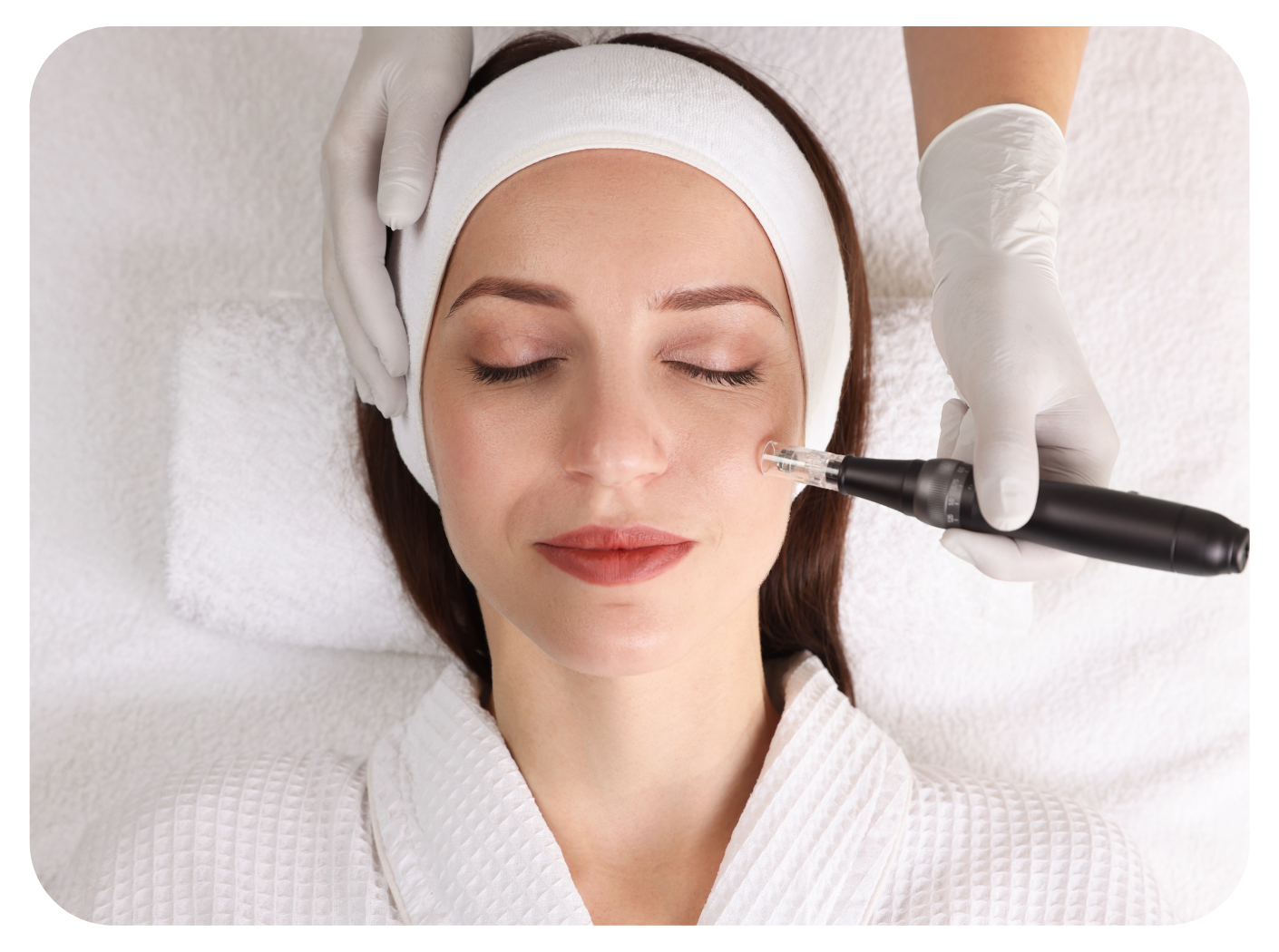
Microneedling stimulate the body’s own collagen production.
With this in mind, during one of my trips I decided to try microneedling, a treatment that offers a more natural approach to anti‑aging by stimulating the body’s own collagen production. This collagen‑inducing mesotherapy technique uses ultra‑fine nano‑needles to create controlled micro‑injuries in the skin. These micro‑channels activate the skin’s repair response and stimulate the production of essential components of the skin matrix: collagen, elastin, and hyaluronic acid—responsible for firmness, elasticity, and hydration respectively.
Despite the abundance of skincare products that contain collagen, applying collagen topically is largely ineffective. The skin is made up of three layers, and collagen production takes place in the dermis, the middle layer. Only by targeting this layer can collagen synthesis truly be stimulated—and this is precisely what microneedling does. By creating targeted micro‑injuries, the treatment triggers the body’s natural healing process, increasing collagen and elastin in the treated area. As a result, microneedling not only helps reduce fine lines and wrinkles and gives the skin a plumper, more supple appearance, but it can also significantly improve acne scars and uneven skin texture.
As with most natural skin‑regeneration approaches, results require patience. Visible improvements typically appear after about four weeks, which is the time the body needs to produce new collagen. Optimal results usually require four to six sessions over a six‑month period. At the skin spa where I had my treatment, the therapist applied a potent cocktail of active ingredients—including hyaluronic acid, vitamins, and antioxidants—before starting the procedure. Some clinics, for those willing to go a step further, combine microneedling with PRP (platelet‑rich plasma), also known as the “vampire facial.” This involves applying platelets derived from a small sample of your own blood to the skin before microneedling, further enhancing regeneration.
Although there is no real downtime, it is recommended to avoid wearing makeup for at least 24 hours after each session. The micro‑channels created by the needles are temporarily open and more susceptible to irritation or infection. This is worth keeping in mind if you have plans the same evening—as I did.
Like any natural anti‑aging treatment, microneedling works best when paired with a supportive lifestyle: minimal smoking and alcohol consumption, a diet rich in leafy greens and low in refined sugars, regular Face Yoga, and a consistent skincare routine. Daily sunscreen application is essential, ideally layered over a few drops of vitamin C serum—a powerful antioxidant.
Targeted supplementation can also provide additional support, such as Semaine Hair & Skin which contains astaxanthin—one of the most powerful antioxidants found in nature—but also collagen and biotin to support hair and skin vitality.
If you’re looking for a more natural way to boost collagen, improve skin texture, and age gracefully, microneedling may be worth exploring.
Try this therapy and let us know if it worked for you!
