
In recent years, functional mushrooms have become increasingly popular, appearing in everything from coffee alternatives to chocolate blends and wellness beverages.
While browsing the aisles of my grocery store, I came across a container of chocolate powder containing turkey tail alongside other functional mushrooms. The product claimed to reduce stress and boost immunity. Intrigued—and encouraged by the sale price—I decided to give it a try.
As the colder months approach, I become more mindful of supporting my immune health, especially since I travel frequently. After all, the last thing I want is to spend a trip recovering from a seasonal illness.
What Is Turkey Tail Mushroom?
Among medicinal mushrooms, turkey tail may be less familiar than its popular cousins, reishi and lion's mane, but it has a fascinating history.
Known scientifically as Trametes versicolor, turkey tail gets its English name from its distinctive fan-shaped appearance and colorful concentric bands, which resemble the feathers of a turkey's tail.
This mushroom grows on dead or decaying wood in forests around the world and has a long history of use in traditional Chinese medicine, where it is known as yun zhi, or cloud mushroom.
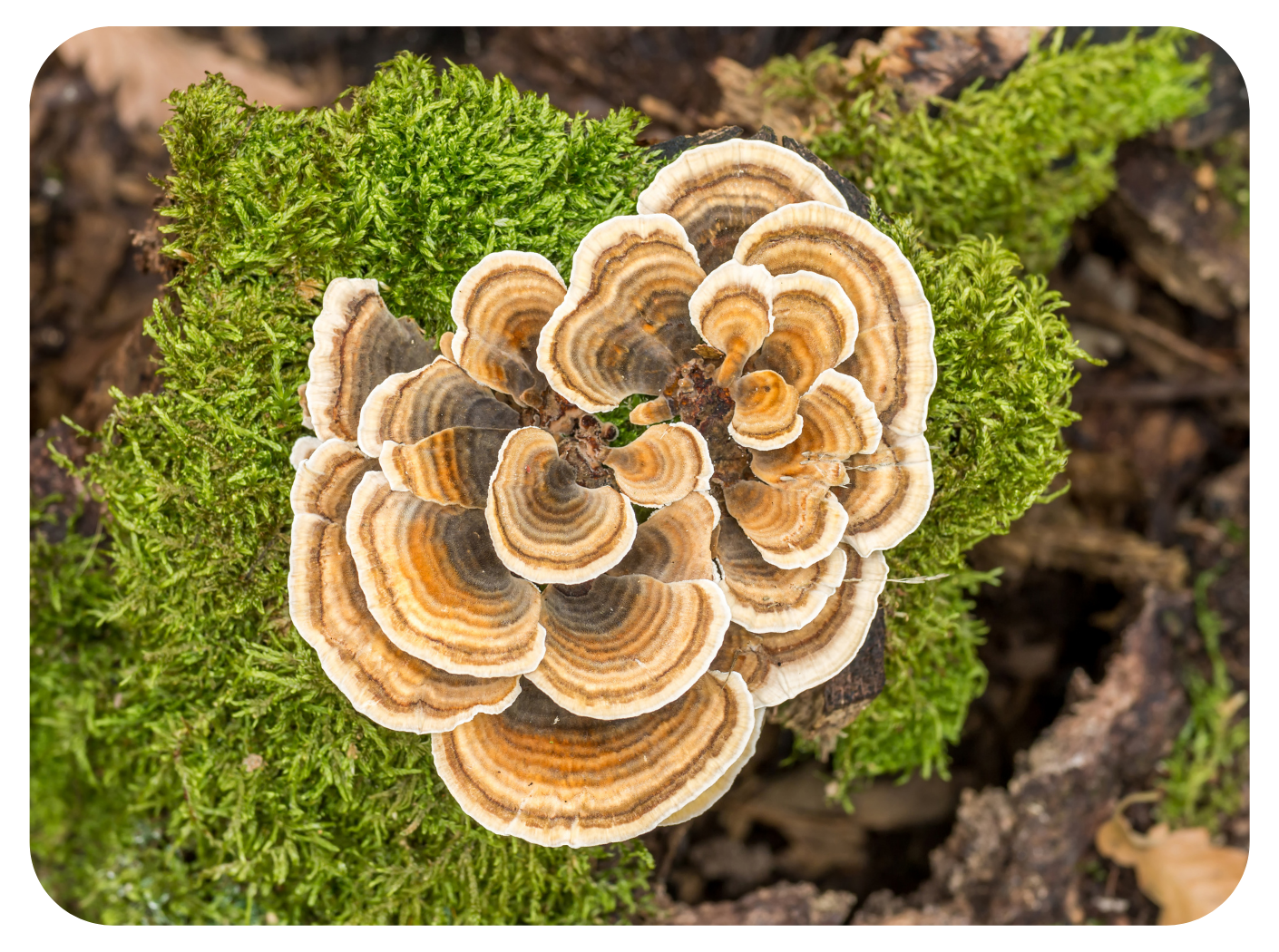
Turkey tail has gained attention for its potential immune-supporting properties.
Can Turkey Tail Actually Support Our Immune Defenses?
Turkey tail contains several biologically active compounds, including polysaccharides, beta-glucans and phenolic compounds, that have attracted researchers' attention.
Of particular interest are two protein-bound polysaccharide preparations:
Polysaccharide-K (PSK), also called krestin: A purified preparation that has been studied as an adjunct to conventional cancer treatment, particularly in Japan.
Polysaccharopeptide (PSP): A related preparation investigated for its potential effects on immune activity.
Laboratory studies and some clinical research suggest that these preparations may influence immune activity, including the function of certain immune cells. However, these findings do not establish that consuming turkey tail supplements protects against seasonal infections.
Turkey Tail and Gut Health
Gut health and immune function are closely connected, which has also prompted interest in turkey tail's potential effects on the intestinal microbiome.
Certain polysaccharides found in mushrooms may act as substrates for beneficial gut microorganisms.
Preliminary research suggests that turkey tail preparations could influence the composition of the gut microbiota, although human studies remain limited. While these findings are intriguing, more research is needed to determine whether turkey tail supplements consistently improve digestive health, nutrient absorption or immune function.
How to Enjoy Turkey Tail Mushroom
Turkey tail is commonly available as capsules, extracts and powdered blends. Because it has a tough, woody texture, it is generally prepared as an extract or incorporated into supplements rather than eaten like culinary mushrooms.
I particularly enjoy a warm cup of Om mushroom chocolate latte during the colder months. Its combination of cocoa and functional mushrooms makes it a comforting addition to my winter routine.
However, it's worth remembering that the amount and type of mushroom compounds in a beverage may differ substantially from those used in clinical research.
If you're considering a turkey tail supplement, look for a product that clearly identifies the mushroom species, ingredients and extract concentration. There is no universally established dose for general immune support, and safety information varies by formulation.
As always, if you have a medical condition or take medication, consult a healthcare professional before using concentrated mushroom extracts.
A Balanced Approach to Immune Health
Medicinal mushrooms have been used in traditional wellness practices for centuries, and turkey tail is an interesting example of how these traditions can inspire modern research. Its polysaccharides and other bioactive compounds show potential, particularly in the study of immune regulation.
While research continues, adequate sleep, a varied diet and regular physical activity remain essential foundations of immune health.
Have you tried turkey tail mushroom? We'd love to hear about your experience.
