
Zinc Benefits for Immunity and Skin Health
Whether it’s winter or summer, zinc is one of the body’s most important protective minerals. During my teenage years, when hormones were in full swing, zinc helped keep acne under control and supported faster skin healing. Today, I make sure I get enough zinc to support my immune system—especially when traveling and spending long hours on airplanes—and to help protect my skin from oxidative stress.
What Is Zinc and Why Is It Important?
Second only to iron, zinc is the most abundant trace mineral in the body. It plays a vital role in hundreds of enzymatic reactions and is essential for DNA and RNA synthesis, cell growth and repair, metabolic and cognitive function, immune support, and protection against oxidative stress.
Because zinc is involved in so many biological processes, even a mild deficiency can affect energy levels, skin health, and resistance to infections.
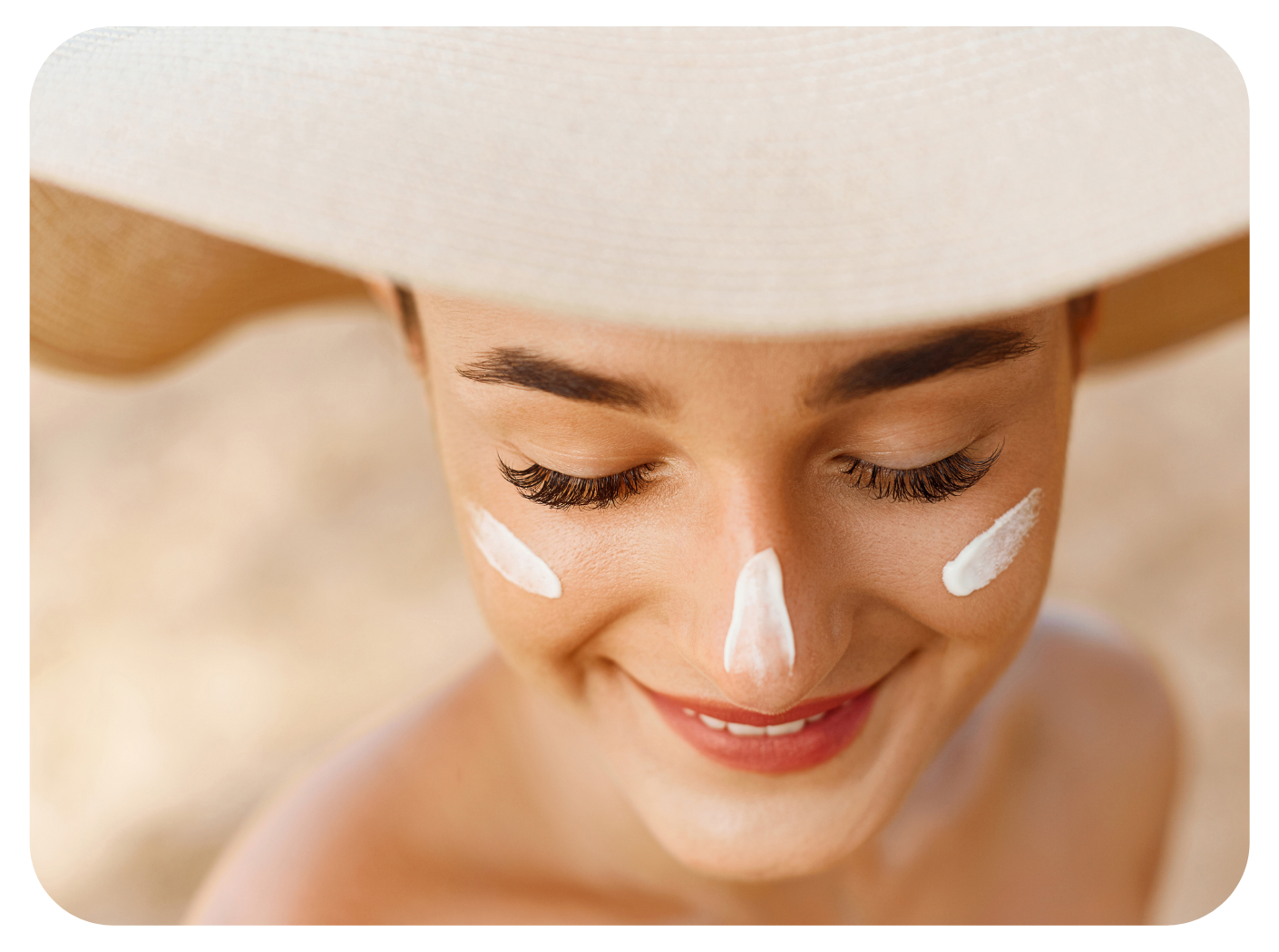
Zinc oxide is one of the most effective mineral sunscreen ingredients available.
Zinc and Immune Support
Zinc is best known for its powerful immune-boosting properties. When the body is fighting an infection, zinc acts as a cofactor for enzymes involved in DNA and RNA synthesis, helping regulate cell growth and the production of immune cells.
Research suggests that taking zinc at the onset of a cold may shorten its duration by more than 30% while also reducing symptom severity. In my experience, it has made a noticeable difference.
An interesting fact: zinc is also essential for the senses of taste and smell. A deficiency may lead to a reduced ability to taste food or detect odors.
Zinc for Skin Health and Collagen Production
About 5% of the body’s zinc is stored in the skin, where it plays a crucial role in maintaining a healthy complexion.
In fact, zinc benefits the skin by promoting wound healing, reducing acne and inflammation, supporting collagen production, and protecting against UV-induced oxidative stress.
Its antimicrobial and anti-inflammatory properties help calm acne-prone skin while also regulating sebum (oil) production.
Zinc is also involved in the production of collagen types I and II by activating enzymes that support collagen formation and stabilize collagen fibers. This may help counter age-related collagen breakdown, improving skin tone, firmness, and elasticity.
Zinc Oxide: Natural Sun Protection
Although it can sting if it accidentally gets into your eyes, zinc oxide is one of the most effective mineral sunscreen ingredients available.
It forms a protective barrier on the surface of the skin, reflecting both UVA and UVB rays without being significantly absorbed into the bloodstream. For this reason, zinc oxide is commonly found in high-quality natural sunscreens and is considered one of the safest forms of sun protection.
Foods Rich in Zinc
Foods with the highest zinc bioavailability—meaning the body absorbs their zinc more efficiently—include shellfish such as oysters, fish like sardines and salmon, as well as beef liver, poultry, and eggs.
For vegetarians and vegans, good sources include whole grains such as quinoa and oats, vegetables like kale, peas, and mushrooms, as well as nuts and seeds such as cashews and pumpkin seeds. However, because plant foods contain compounds such as phytates, zinc from these sources is less readily absorbed.
Zinc and Seed Cycling
If you follow seed cycling, pumpkin seeds are often recommended during the follicular phase of the menstrual cycle (from day 1 until ovulation) because they are rich in zinc and may help support hormonal balance.
Zinc for Hormonal Balance
Zinc plays an important role in hormone regulation and reproductive health. Supplements such as Semaine Health’s Hormonal Balance formula combine zinc glycinate with magnesium and other nutrients to support hormonal well-being.
Should You Take a Zinc Supplement?
Zinc supplements can be helpful if your diet is low in zinc or during times of increased need, such as travel, stress, or seasonal immune challenges.
However, too much zinc can interfere with copper absorption and may interact with certain medications. Always consult your healthcare provider before starting any new supplement.
The Bottom Line
From strengthening the immune system and shortening the duration of colds to supporting collagen production, reducing acne, and protecting the skin from UV damage, zinc is an essential mineral for both health and beauty.
Ensuring you get enough zinc—through a balanced diet or targeted supplementation—can be a simple yet powerful way to support your skin, your immune system, and your overall well-being.
Try it and let us know how you feel!
