
Chronotherapy: The Body’s Organ Clock
I first became interested in the Organ Clock—a concept central to the practice of chronotherapy—because of a recurring problem I had while studying for my master’s degree: staying awake in the afternoon. Even the smallest meal would make me sleepy. And while I’m a firm believer in the power of naps, napping at the library wasn’t exactly an option. Coffee has never really worked for me—it simply makes me jittery and anxious—so I decided to visit an acupuncturist to see if there was something I could do to increase my energy levels.
She gave me a lot of valuable advice beyond simply addressing aches and muscle tension. For example, she recommended drinking green tea in the afternoon if I needed a gentle energy boost—while also benefiting from its powerful antioxidants. More importantly, she introduced me to something I had never heard of but that is a cornerstone of Traditional Chinese Medicine: chronotherapy and the Organ Clock.
What Is Chronotherapy?
According to Chinese philosophy, our vital life force—known as Qi—moves through the body in two-hour intervals, starting at 3 a.m. and completing a full cycle by 3 a.m. the following day. During this 24-hour cycle, energy flows through each of the twelve organ meridians, nourishing and replenishing them.
During each two-hour window, the organ associated with that meridian is at its peak activity. At the same time, we may experience a particular emotional state linked to that organ.
For example:
If we hold on to anger or frustration, we may wake between 1 a.m. and 3 a.m., when the liver—the organ associated with these emotions—is most active.
If we experience grief or sadness, we may wake between 3 a.m. and 5 a.m., when the lungs are at their energetic peak.
Understanding this internal clock can help us interpret our energy levels, sleep patterns, and emotional fluctuations and, if we feel out of balance, take steps to restore harmony within this internal system.
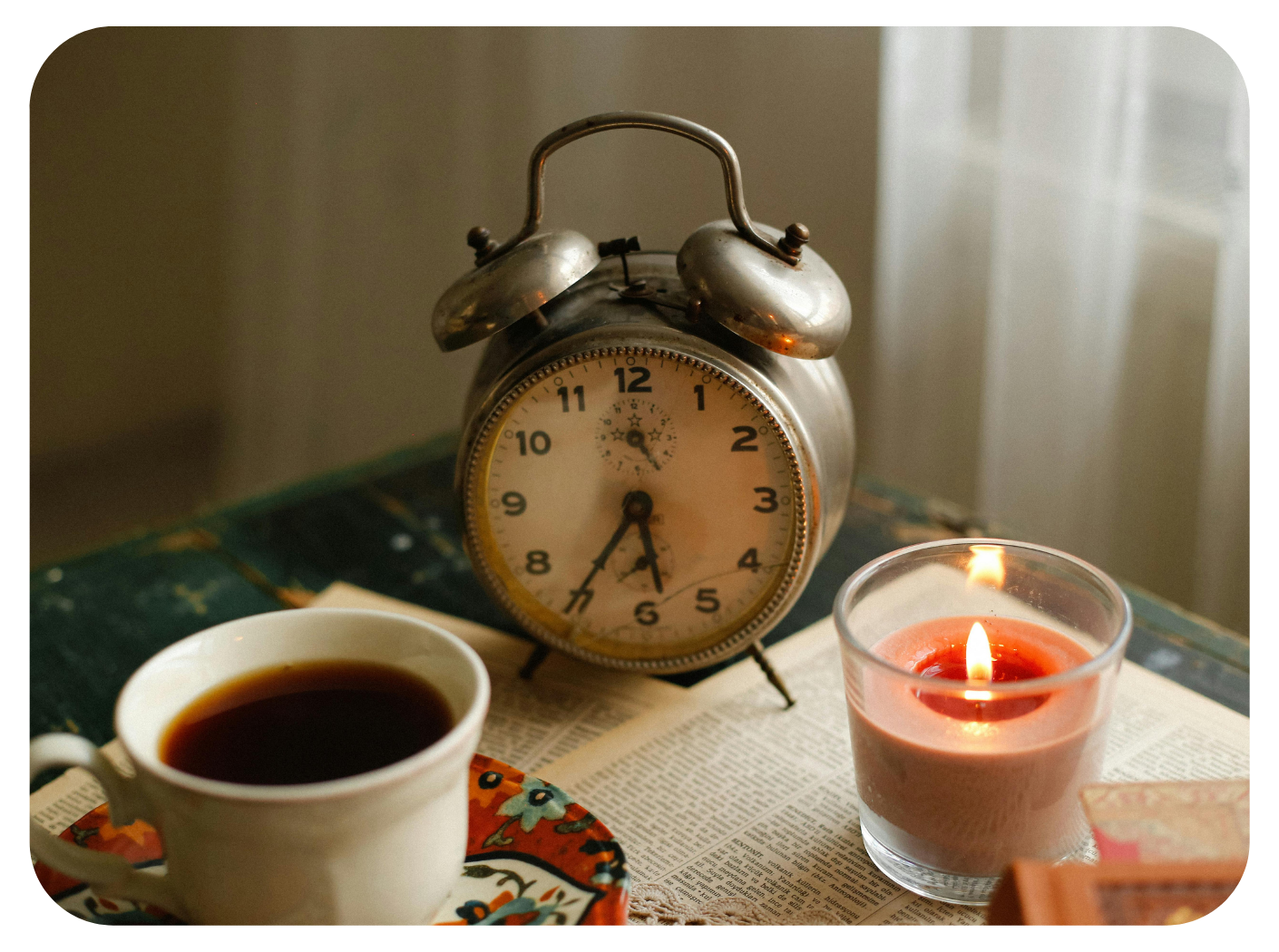
Knowing the Organ Clock can help us optimize meals, fitness routine and work.
Aligning Your Day With the Organ Clock
Once you become aware of what is known as the Organ Clock, it becomes easier to schedule activities—such as meals, exercise routines, or focused work—during the times when your body is naturally more receptive.
In my case, I started having a nutritious warm breakfast between 7 a.m. and 9 a.m., when the stomach is at its peak and digestion is at its strongest. I now work out between 1 p.m. and 3 p.m., the window of the heart, when blood flow is stronger and physical activity can help restore energy.
Later in the day, particularly between 5 p.m. and 7 p.m., when the kidneys are most active, I focus on hydration by drinking warm teas or water. This helps support the body’s natural detoxification processes and encourages the efficient elimination of waste.
Between 3 a.m. and 5 a.m. the lungs are most active. If you feel sadness or emotional heaviness during this time, you might consider waking up briefly and practicing gentle breathwork, wrapped in a warm blanket to keep heat within the body.
One of the key principles of Traditional Chinese Medicine is maintaining homeostasis—a stable internal environment that includes balanced body temperature, pH, and blood sugar levels. This balance is achieved by harmonizing the body’s two fundamental forces: Yin and Yang.
Warm foods and drinks stimulate Yang energy, supporting digestion and metabolic activity.
Hydrating foods such as cucumber or watermelon increase Yin energy, cooling the body and promoting calm.
Physical exercise generates heat and boosts energy, while cooling breathwork practices, such as Sitali breathing, can reduce excess heat and promote relaxation.
Maximizing Organ Timing
Understanding which organ is most active at different times of the day allows us to take a more intentional approach to restoring balance.
By leveraging the Organ Clock, practices such as acupuncture stimulate specific points along the meridians to move stagnant Qi and restore the natural flow of energy through the organs.
For those who practice Qigong, being mindful of the timing of your practice—especially when focusing on a particular organ—can further enhance its benefits.
Learning to follow the rhythm of the body’s internal clock can be surprisingly powerful. When we align our daily habits with the natural timing of our organs, we often feel more balanced, energized, and in tune with our bodies.
After I learned about chronotherapy, I began adjusting many of my daily habits. Between 1 p.m. and 3 p.m., I reach for a warm green tea or guayusa—both of which provide sustained alertness without the jitters that coffee can cause. I also make sure to drink plenty of water throughout the day, especially during the kidneys’ active window, often adding electrolytes such as Cure to replenish lost minerals.
Try paying attention to your own organ clock rhythms—and see how you feel.
