
Black Cohosh for Hot Flashes, Mood and Sleep
Traditionally used by Native American communities for a variety of ailments, from sore throats and muscle discomfort to menstrual and reproductive complaints, black cohosh has gained renewed attention as a botanical remedy for menopausal symptoms.
As estrogen levels fluctuate and eventually decline during menopause, many women experience hot flashes, night sweats, disrupted sleep and changes in mood. Black cohosh (Actaea racemosa) has become one of the most widely studied herbal remedies for these symptoms, particularly hot flashes and night sweats, collectively known as vasomotor symptoms.
But what makes this plant especially interesting is that its potential effects may have less to do with estrogen than researchers originally believed.
How Does Black Cohosh Work?
Early research explored whether black cohosh influenced estrogen levels or the activity of luteinizing hormone (LH) and follicle-stimulating hormone (FSH), two hormones involved in regulating ovarian function.
However, subsequent studies have generally found little evidence that black cohosh significantly changes circulating estrogen, LH or FSH levels.
Instead, researchers have investigated other possible mechanisms, including its interaction with serotonin signaling in the brain.
Serotonin is a neurotransmitter involved in mood, sleep and temperature regulation. During menopause, hormonal changes can affect the hypothalamus, the part of the brain responsible for regulating body temperature, contributing to hot flashes and night sweats.
Laboratory studies suggest that certain compounds in black cohosh may interact with serotonin receptors. This possible serotonergic activity could help explain its effects on menopausal symptoms, although the exact mechanism has not been established in humans.
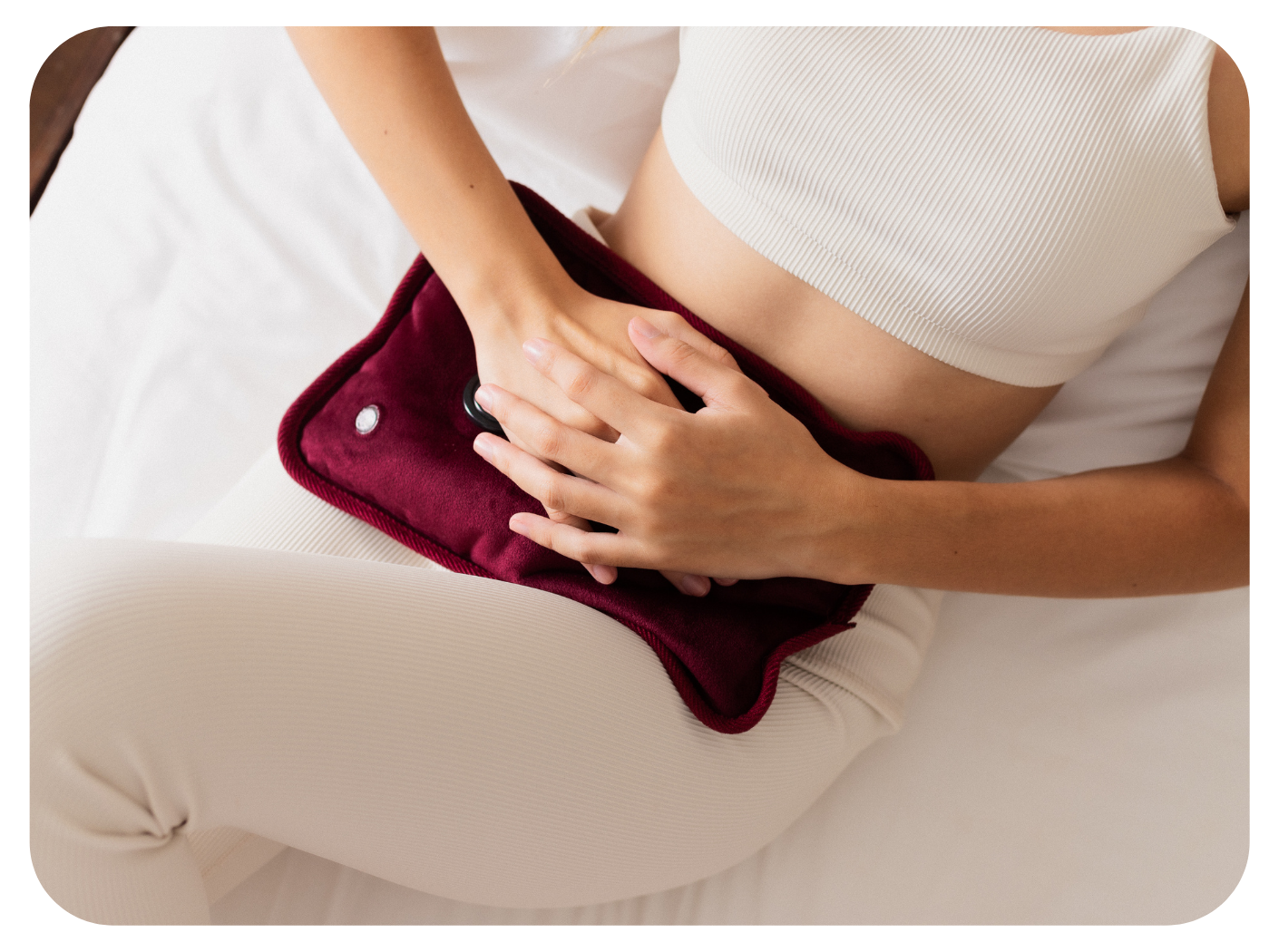
Black Cohosh can improve hot flashes and other menopausal complaints.
Black Cohosh's Active Plant Compounds
Black cohosh contains several naturally occurring compounds, including triterpene glycosides and phenolic acids.
Triterpene glycosides, such as actein-related compounds, are among the plant's characteristic constituents and are frequently used to identify and standardize black cohosh extracts.
The plant also contains phenolic compounds, including caffeic acid derivatives, which have attracted scientific interest for their antioxidant activity.
However, while these compounds have demonstrated biological activity in laboratory research, their presence doesn't necessarily mean that consuming black cohosh provides measurable antioxidant, cardiovascular or anti-aging benefits.
Can Black Cohosh Relieve Menopausal Symptoms?
Some clinical studies, particularly those involving specific standardized extracts, have reported improvements in hot flashes and other menopausal complaints.
Other trials have found little or no difference compared with placebo.
Although black cohosh remains a popular herbal option for menopausal symptoms, the evidence is not consistent enough to consider it a reliably effective treatment.
There is also insufficient evidence to recommend it specifically for vaginal dryness, joint discomfort or insomnia, even though these symptoms commonly occur during menopause.
Is Black Cohosh Safe?
Black cohosh is generally well tolerated in short-term clinical studies, but there are important precautions to consider.
Rare cases of liver injury, including serious liver damage, have been reported in people taking products labeled as black cohosh. Although a direct causal relationship has not been conclusively established in every case, the reports warrant caution.
Product quality also matters. Some supplements have been found to contain other species of cohosh or incorrectly identified botanical ingredients.
If you're considering black cohosh, choose a reputable product that clearly identifies Actaea racemosa and provides information about its ingredients and quality testing.
As always, speak with your healthcare provider before taking black cohosh, particularly if you use hormone replacement therapy (HRT), take other medications or have a history of liver disease.
Supporting Well-Being During Menopause
Black cohosh is just one of several botanicals being investigated for menopausal well-being. Other herbs and adaptogens are also found in supplements designed to support women through hormonal transitions, although their effectiveness and safety vary considerably.
I personally prefer black cohosh as an herbal infusion, blending organic dried black cohosh root with milder herbal teas. However, most clinical studies have focused on standardized extracts, so the concentration of active compounds and potential benefits of herbal infusions may differ.
For those looking for other options, Semaine Health offers formulas designed to support menstrual and menopausal well-being, with ingredients selected to address different symptoms. As with black cohosh, it's important to consider the benefits and safety of each ingredient individually.
Menopause is a natural transition, but that doesn't mean its symptoms should be ignored. Whether you're exploring botanical remedies, lifestyle changes or hormone therapy, finding the right support begins with understanding what the science can—and cannot—tell us.
Have you tried black cohosh for menopausal symptoms? We'd love to hear about your experience.
